
Mexpoint Labs
Step-by-step resources that walk you through the technical foundations and practical applications of perspective. These guides are built for students who want clear explanations and structured exercises to build their skills methodically.
The foundational technique where all lines converge to a single vanishing point on the horizon. This guide covers basic principles and gives you exercises to practice interior spaces and simple architectural views.
When you need to show corner views and angled structures, two-point perspective becomes essential. This guide explains how to set up dual vanishing points and maintain consistent angles across complex forms.
For views looking up at skyscrapers or down from heights, three-point perspective adds a vertical vanishing point. This guide shows you how to construct these dynamic compositions without losing structural accuracy.
Linear perspective handles structure, but atmospheric perspective creates depth through value and contrast changes. This guide demonstrates how to use tone and detail density to suggest distance and spatial layering.
Circular forms become ellipses when viewed in perspective, and getting their proportions right takes practice. This guide breaks down the process of constructing ellipses within perspective grids and applying them to wheels, columns, and arches.
Real environments rarely consist of simple boxes. This guide addresses staircases, ramps, multiple floor levels, and overlapping forms, showing you how to maintain consistent perspective logic across intricate spatial arrangements.
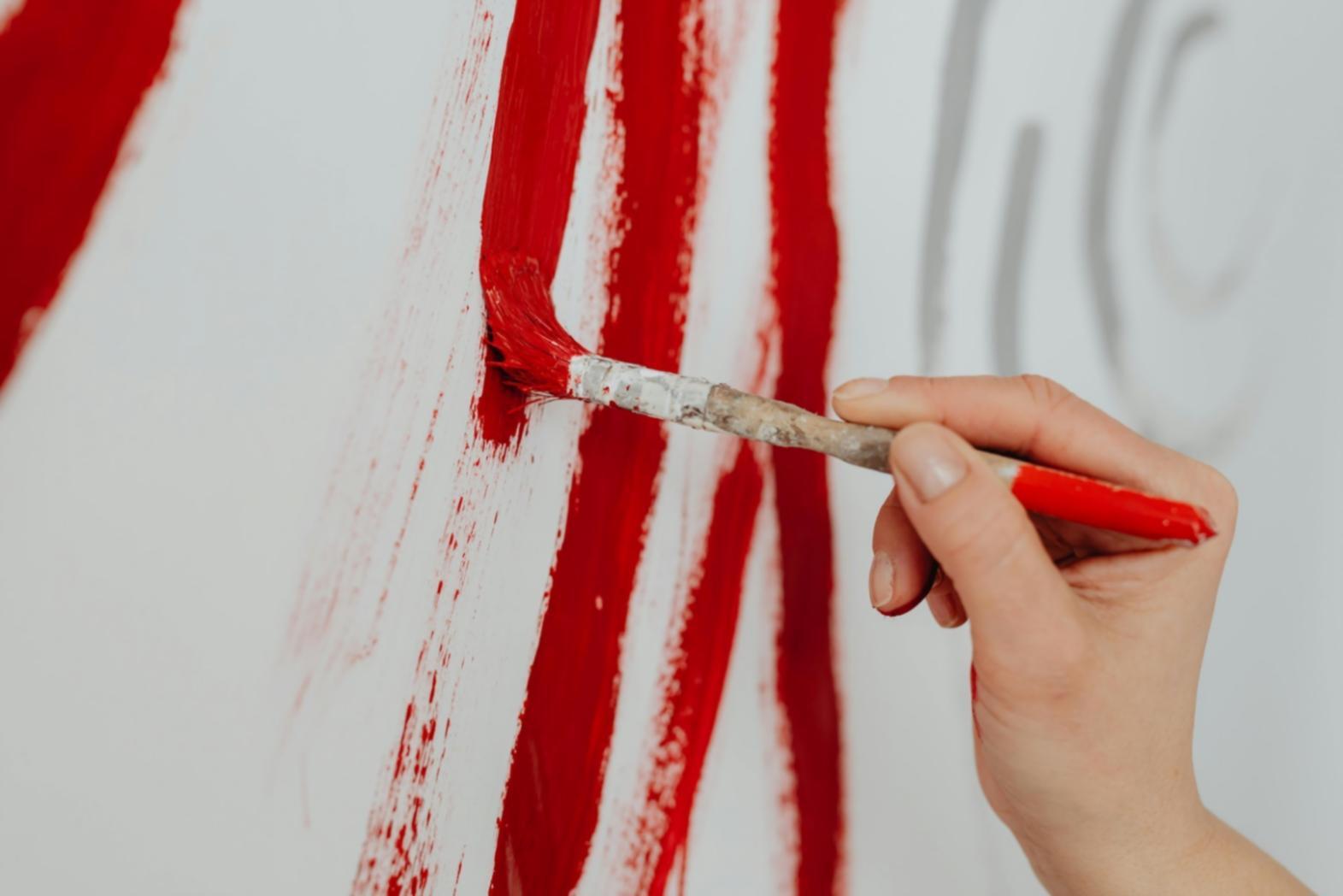
Each guide starts with a clear explanation of the concept, then walks you through step-by-step construction methods. You get diagrams that break down complex ideas into manageable parts, plus exercises designed to build muscle memory and spatial reasoning.
The exercises start simple and add complexity gradually. Early tasks focus on getting the basic setup right — placing horizon lines, marking vanishing points, drawing guide lines accurately. As you progress, the challenges introduce more variables: angled forms, curved surfaces, multiple levels, overlapping objects.
You'll find troubleshooting sections that address common problems like converging lines that don't quite meet at the vanishing point, ellipses that look warped, or proportions that feel off. These sections explain what went wrong and how to fix it, so you can self-correct as you practice.
Repetitive exercises that train your hand and eye to place lines accurately. These build the basic coordination you need before attempting full compositions.
Simplified subjects with clear perspective setups. You work from reference images or diagrams that show exactly where lines should converge, focusing on technical accuracy.
More complex scenarios where you make compositional decisions yourself. These exercises require you to analyze spatial relationships and construct perspective grids from observation.
Access structured lessons and exercises designed to develop solid technical foundations through consistent practice.
View Learning ProgramWe use cookies to improve your browsing experience and analyze site traffic. Choose your preferences below.
Required for the website to function properly. These cannot be disabled.
Help us understand how visitors interact with our website by collecting anonymous data.
Used to track visitors across websites to display relevant advertisements.