
Mexpoint Labs

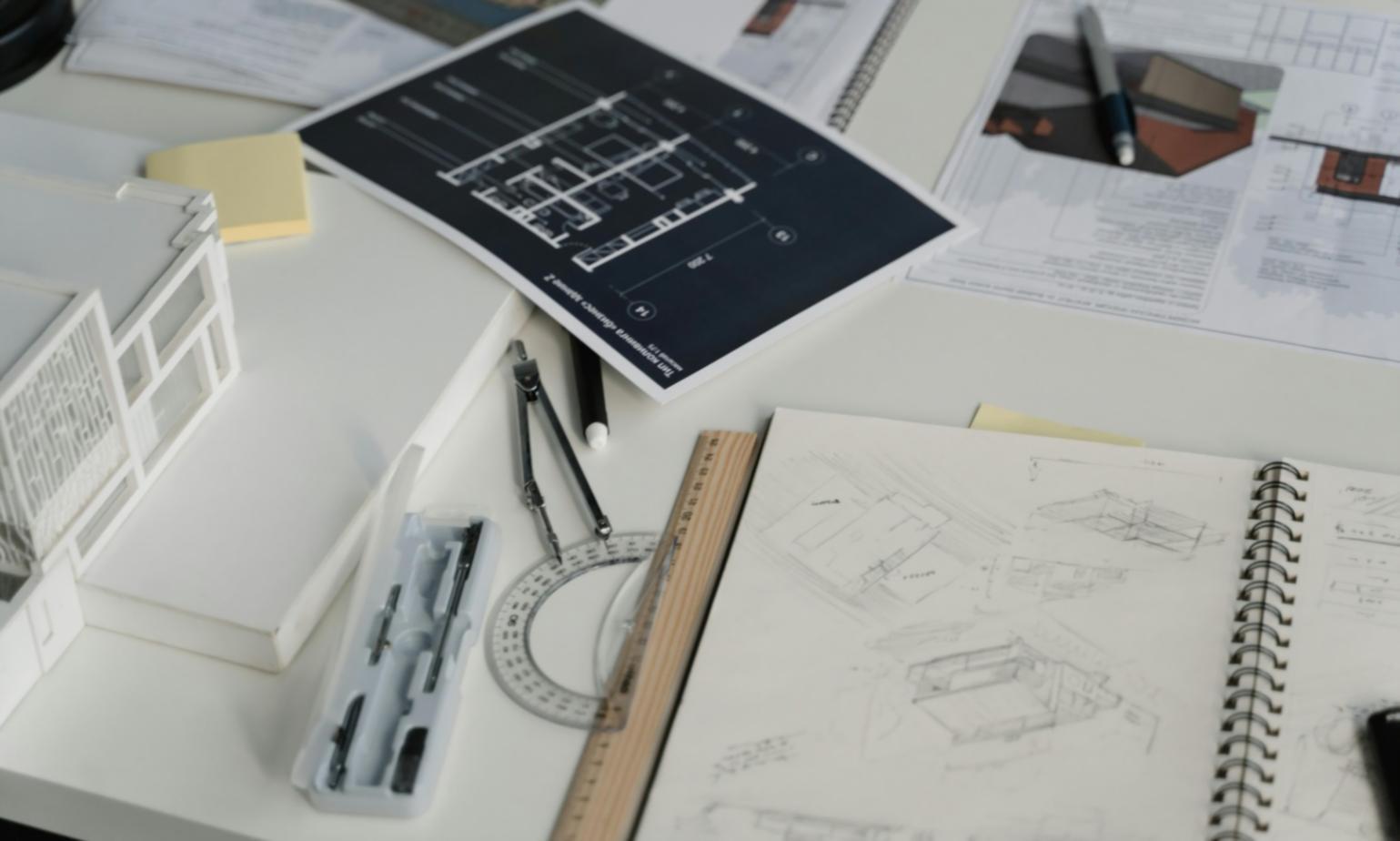

We started Mexpoint Labs in 2022 because too many artists were stuck drawing flat objects that didn't feel real. Perspective isn't magic—it's a set of principles you can learn by doing them repeatedly. Our approach breaks down complex spatial problems into manageable exercises you can actually finish.
We launched with a small group of twelve students who wanted to improve their environment sketches. The curriculum focused on one-point and two-point perspective basics, with daily assignments that took about 45 minutes. Most students saw noticeable improvement in their spatial accuracy within three weeks.
After teaching 80 students, we noticed patterns in where people got stuck. Vanishing points confused everyone at first. Ellipses in perspective caused problems. We rebuilt the course around these friction points, adding targeted exercises for each common challenge. Student completion rates went from 60% to 84%.
We built custom grid generators and angle checkers that let students verify their work immediately. No more guessing whether that building recedes correctly. The tools give instant visual feedback, so you can spot errors while they're still easy to fix. Students started submitting cleaner work with fewer fundamental mistakes.
We review every completed assignment and adjust exercises based on what actually works. When students struggle with curved forms in three-point perspective, we create new drills. The course evolves based on real performance data, not theory.
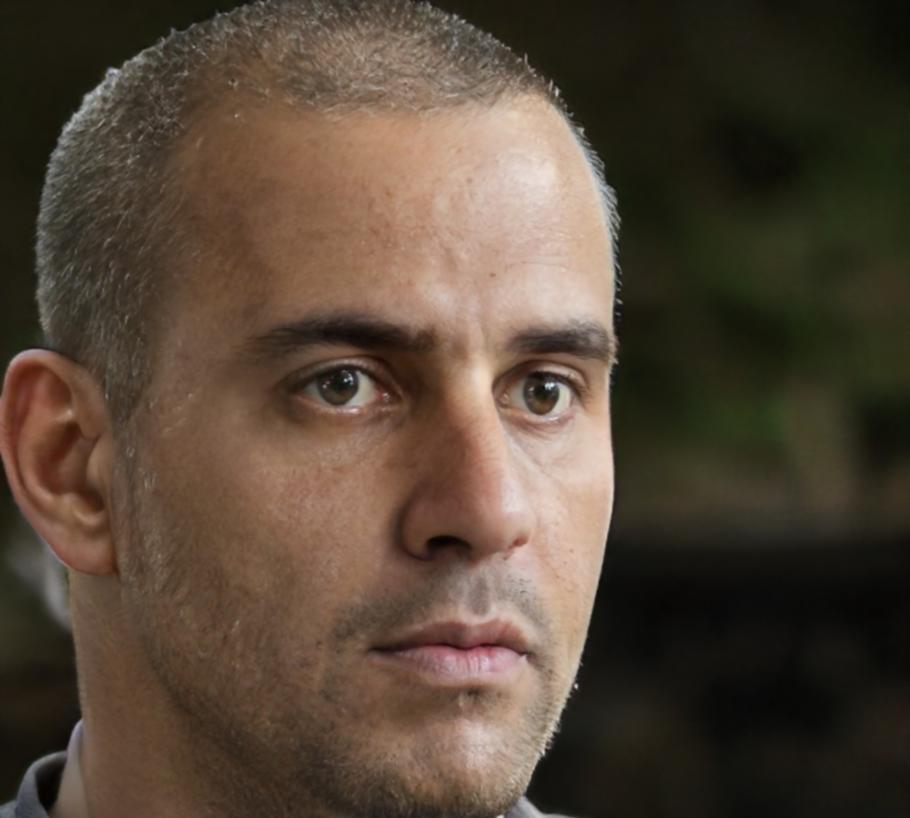
Lead Instructor, Perspective Drawing
Oskar spent eight years working as an architectural illustrator before teaching. He's drawn hundreds of buildings from every possible angle, which means he's made every perspective mistake you can think of—and figured out how to fix them.
His teaching style focuses on repetition and correction. You'll draw the same type of form multiple times with slight variations until the spatial logic becomes automatic. He doesn't believe in shortcuts, but he does believe in clear explanations of why something works.
Students say his feedback is specific. Instead of "this looks wrong," you get "your right vanishing point is 15 degrees too high, which compresses the vertical planes." That level of precision helps you correct the actual problem instead of redrawing randomly.
We use cookies to improve your browsing experience and analyze site traffic. Choose your preferences below.
Required for the website to function properly. These cannot be disabled.
Help us understand how visitors interact with our website by collecting anonymous data.
Used to track visitors across websites to display relevant advertisements.